 Hack the Route Start free Open app
 The idea
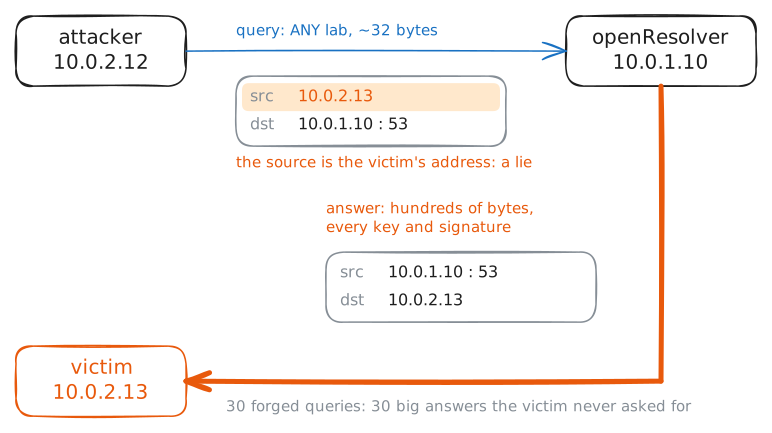
A DNS amplification attack makes a careless open resolver do the flooding: UDP never checks the sender, so a tiny forged query brings a large signed answer down onto a victim who never asked — until the resolver is shut to outsiders.
Steps
-
A resolver that answers everyone
A resolver should answer only its own network. Ask this one the same name from inside the home network and from a stranger out on the internet, and see whether both are served. That second answer is the whole problem.
legitClient:~# dig +short www.lab @10.0.1.10
attacker:~# dig +short www.lab @10.0.1.10
-
A small question, a big answer
Now the second ingredient. Ask for everything about the signed domain
lab(anANYquery, DNSSEC data included). The question is a few dozen bytes; weigh the answer, stuffed with keys and records, against it.attacker:~# dig +notcp +dnssec ANY lab @10.0.1.10
Pro
2 more steps in the app
- Reflected and amplified at the victim
- Defence: do not run an open resolver